Finn Scale Co. / Rail Scale
Rail/Truck Combo Scale
Combined weighing systems for facilities handling both road vehicles and railcars.
Discuss Your Project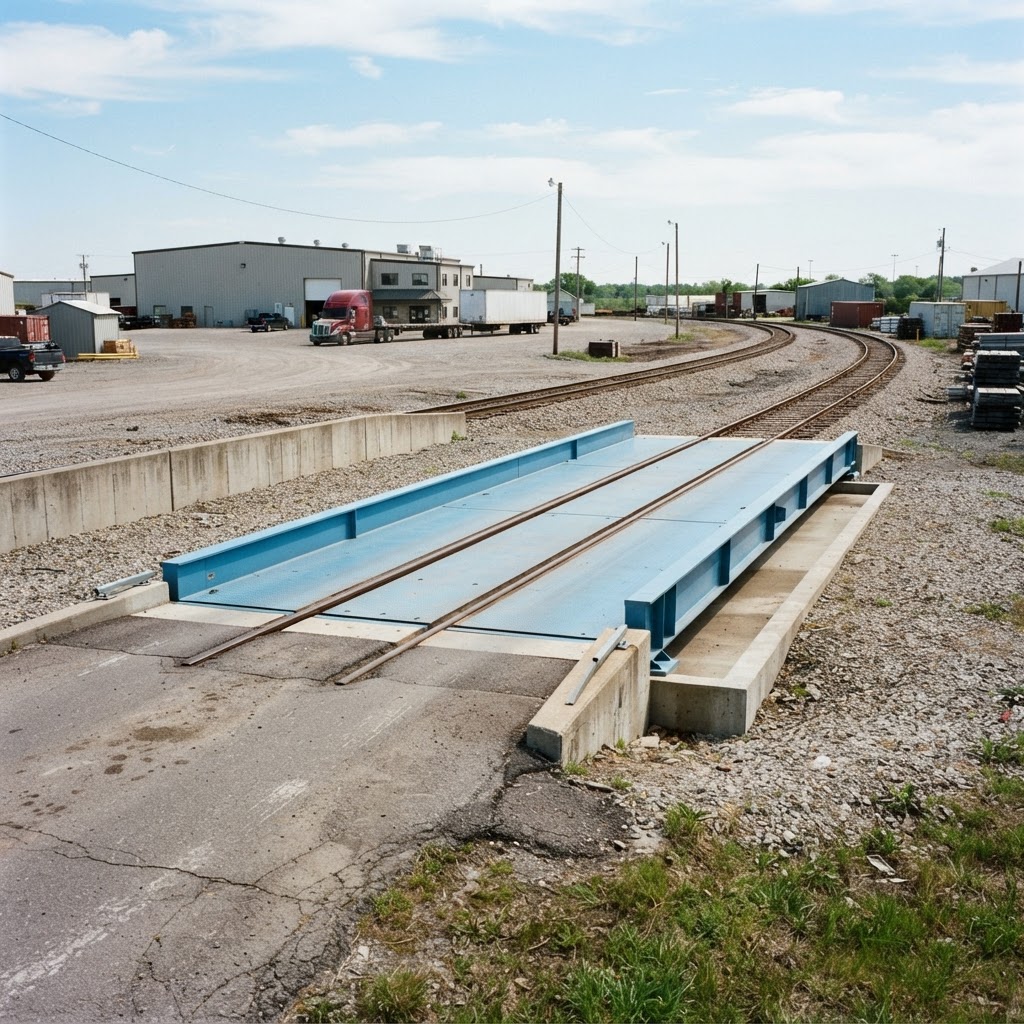
Applications & support
- Facilities receiving by rail and road
- Bulk handling with shared weighing space
- Combined vehicle-scale projects
- Industrial transload operations
- Material transfer facilities
01 / Rail Scale
Plan both traffic patterns
A rail/truck combination scale must account for rail alignment and road vehicle access on a shared weighing structure. Vehicle lengths, loads, and approach layouts drive the equipment requirements.
02 / Rail Scale
Coordinate operation and reporting
Finn Scale can discuss a combined system for your site. Weighing procedures, traffic control, foundations, and ticketing should be reviewed together, with approvals and legal-for-trade requirements confirmed for each application.
03 / Rail Scale
Combined weighing concept
A rail/truck combination scale allows both railcars and road vehicles to be weighed on the same weighbridge. This is useful for facilities that receive or ship by both rail and road and want to avoid the cost of separate scales. The weighbridge is designed to accommodate both rail and truck loading, with rails embedded in or running along the deck surface. The shared structure and weighing procedure must accommodate both vehicle types.
04 / Rail Scale
Design & structural considerations
Railcar and truck weighing impose different load patterns and approach requirements. Railcars apply concentrated loads through the rails; trucks apply loads through the deck surface. The weighbridge must be designed for both loading patterns. Vehicle lengths, loads, and approach layouts drive the equipment requirements. The rail alignment must be compatible with the truck approach geometry, and the deck surface must accommodate truck tires and rail infrastructure.
05 / Rail Scale
Traffic control & operating procedures
Plan safe access so road vehicles and rail movements do not conflict. The scale cannot be used for both vehicle types simultaneously; the operating procedure must ensure that one mode is clear before the other uses the scale. Traffic control may require signals, gates, or procedural controls. Ticketing and software may need distinct identifiers and procedures for each vehicle type. The weighing procedure for each mode should be documented and operator training should cover both.
06 / Rail Scale
Approvals & legal-for-trade requirements
Approvals, calibration, and acceptance requirements must be confirmed for both applications. A rail/truck combination scale used for commercial transactions must meet legal-for-trade requirements for both rail and truck weighing. This may involve separate approvals, inspections, and certifications. Confirm the applicable requirements for both vehicle types before proceeding.
07 / Rail Scale
Site planning & layout
Finn Scale can discuss a combined system for your site. Define vehicle types, rail alignment, and how each mode uses the scale before selecting equipment. Consider the track layout, road approaches, drainage, and the position of the scale house or control room. The site must accommodate both rail and truck traffic, with clear approaches and safe operating areas for both. Weighing procedures, traffic control, foundations, and ticketing should be reviewed together, with approvals and legal-for-trade requirements confirmed for each application.
What to include in your inquiry
- Truck and railcar dimensions and loads
- Rail alignment and road approaches
- Operating procedures and transaction records
Helpful answers